
An anti-aging and longevity lifestyle is about simple daily habits that help you stay younger, stronger, and more focused for longer, from your skin to your cells
With a few proven changes, you can protect your health and feel more energetic at every age. Instead of chasing quick fixes, this approach focuses on steady, realistic steps you can follow in your normal routine.
What Anti-Aging Really Means
Anti-aging is not about looking perfect or trying to “never get old.” It is about slowing down the changes that come with age so you can stay active, independent, and happy for as many years as possible.
Longevity simply means living a long life in good health, not just adding more years. Experts look at how food, movement, sleep, and certain treatments affect how your body ages deep inside, including your cells and organs.
As the body ages, there is more swelling inside (inflammation), more stress on cells, and more damage to DNA and other important parts of your cells. Over time, this damage can lead to health problems if it is not balanced by healthy habits.
The good news is that daily choices really matter. Choosing better habits can delay or lower your risk of age-related diseases like heart disease, diabetes, and memory problems, helping you stay well for longer.
Eat For Longevity
What you eat is one of the most powerful tools you have to support a longer, healthier life. Many studies show that healthy eating patterns, such as a Mediterranean-style diet, are linked to better aging and longer lifespans.
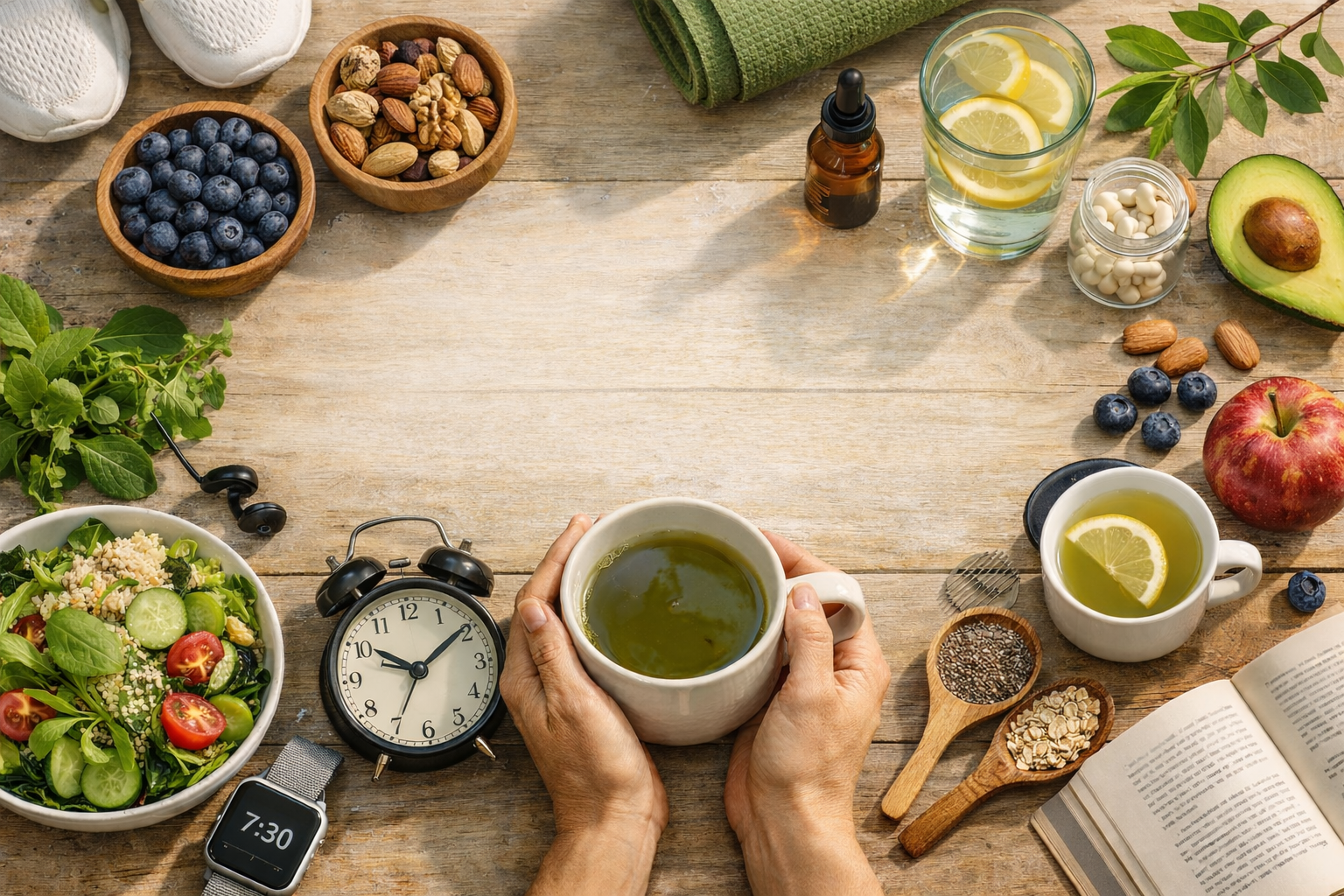
A Mediterranean-style way of eating focuses on simple, natural foods. It includes a lot of vegetables, fruits, whole grains, beans, nuts, seeds, olive oil, and fish, with only small amounts of red meat and sugary snacks.
Try to make whole foods the main part of your plate. Colorful vegetables and fruits, whole grains, beans and lentils, nuts, olive oil, and fatty fish like salmon support your heart, brain, and skin.
These foods give your body vitamins, minerals, fiber, and healthy fats that help lower inflammation and protect your cells from damage. Over time, this can slow down some signs of aging and keep you feeling better.
It also helps to avoid constant overeating. Eating just a bit less than usual, in a safe and balanced way, can improve how your body uses energy and may slow some key markers of aging.
Instead of strict dieting, focus on steady habits. Eat slowly, listen to your hunger signals, choose smaller portions, and avoid mindless snacking late at night.
Move To Stay Young
Regular movement is one of the best natural “anti-aging tools” you have. Staying active supports your muscles, bones, heart, brain, and mood, while lowering the risk of many long-term diseases.
Try to combine strength training and cardio during the week. Strength training, like lifting weights or doing bodyweight exercises (squats, push-ups), helps keep muscles and bones strong as you age.
Cardio, such as walking, cycling, swimming, or light jogging, improves heart and lung health. It also boosts blood flow to the brain, which can support memory and clear thinking over time.
You do not need long or intense workouts to get benefits. Even 20–30 minutes of brisk walking most days of the week can make a big difference for your health and energy.
Staying active throughout the day is just as important. Walk more, take the stairs when you can, stretch often, and try not to sit for many hours in a row.
These small choices help keep your body in motion, support a healthy weight, and protect your heart and joints over the years.
Protect Skin And Body
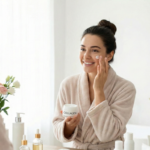
Your skin is usually the first place where signs of aging show, such as fine lines, dark spots, or dryness. Taking care of your skin is not only about beauty; it is also about protecting your body from damage.
A simple and smart skincare routine can help now and in the future. It protects against sun damage today while supporting firm, smooth, and even-toned skin over time.
Using sunscreen every day is very important. Broad‑spectrum SPF, shade, hats, and protective clothing can help prevent wrinkles, sunspots, and skin cancer.
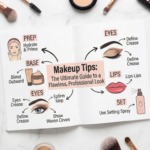
Gentle and regular skincare works better than harsh, complicated routines. Daily cleansing, mild exfoliation a few times a week, moisturizing, and using helpful serums like vitamin C or other antioxidants can improve your skin’s glow and texture.
Drinking enough water, eating healthy fats, and avoiding smoking also support healthy skin from the inside out. Together, these habits help your skin look fresher and feel stronger as you age.
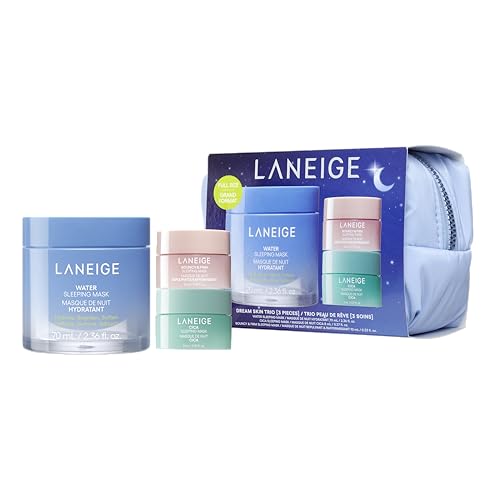

Sleep, Stress, And Smart Habits
How you sleep, relax, and handle stress is just as important as what you eat or how you move. Long-term stress, lack of sleep, smoking, and heavy drinking speed up aging and raise your risk of many diseases.
Sleep is when your body repairs itself. Aim for about 7–9 hours of good-quality sleep each night to support hormones, immunity, brain health, and skin repair.
Good sleep habits can help a lot. Try going to bed and waking up at the same time every day, keeping your bedroom dark and cool, and avoiding screens right before bed.
Managing stress is also key for healthy aging. Simple practices like deep breathing, gentle stretching, prayer, journaling, or spending time in nature can calm your mind and body.
Reducing harmful habits makes a big difference over time. Quitting smoking and cutting down on alcohol can protect your heart, liver, skin, and brain and lower your risk of serious illness.
If needed, safe, well-studied therapies or supplements can also support long-term health. Always talk with a health professional before starting any new treatment so it fits your body, needs, and other medications.e age into advanced years.