Whether you’re rocking a buzz cut, a cascade of curls, or a sleek glass bob, your hair is often the first thing people notice. But great hair doesn’t just “happen”—it’s the result of a consistent routine, the right products, and a little bit of science.
In this guide, we’ll dive into the essentials of hair health, styling tips for every hair type, and how to build a sustainable routine that keeps your locks looking salon-fresh.
1. Understanding Your Hair Type
Before you buy another bottle of “miracle oil,” you need to know what you’re working with. Hair isn’t one-size-fits-all.
- Straight (Type 1): Prone to oiliness but usually has the most natural shine.
- Wavy (Type 2): S-shaped patterns that need light moisture without being weighed down.
- Curly (Type 3): Defined loops that are prone to frizz and dryness.
- Coily (Type 4): Tight curls or zig-zags that require intense hydration and gentle handling.
Pro Tip: Beyond curl pattern, consider porosity. If your hair absorbs water instantly, it’s high porosity. If water beads up on the surface, it’s low porosity. This determines whether you need heavy creams or lightweight sprays.

2. The Foundation: A Solid Wash Routine
Healthy hair treatment starts at the scalp. Think of your scalp as the “soil” and your hair as the “plant.”
Shampooing Simplified
- Focus on the scalp: Use your fingertips (never nails) to massage shampoo into the roots to break down sebum and product buildup.
- Don’t over-wash: For most, 2–3 times a week is plenty. Over-washing strips natural oils, leading to a “rebound” effect where your scalp produces even more grease.
Conditioning Correctly
- Mids to Ends: Your roots have natural oils; your ends do not. Apply conditioner from the mid-shaft down to prevent flat, greasy hair.
- The Cold Rinse: Finishing with a splash of cool water helps seal the hair cuticle, boosting shine and reducing frizz.
3. Styling Without the Damage
We all love a good blowout, but heat is the silent killer of hair health.
Heat Protection is Non-Negotiable
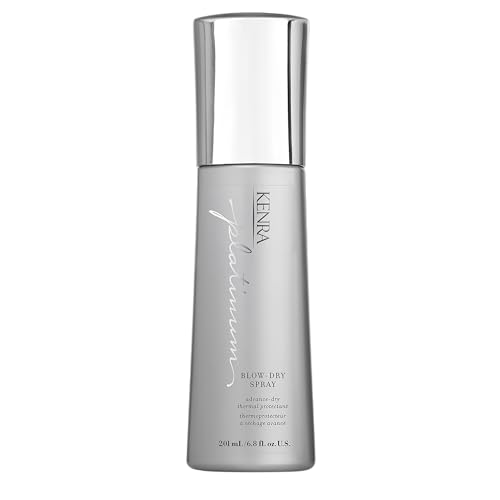
If you use a blow dryer, flat iron, or curling wand, a heat protectant is your best friend. It creates a thermal barrier that prevents the hair’s internal moisture from evaporating too quickly.
Air-Drying the Right Way
- Microfiber over Terrycloth: Standard towels have rough fibers that cause friction and breakage. Swap to a microfiber towel or an old cotton T-shirt.
- The “Plop” Method: If you have curls, “plopping” your hair into a shirt while it’s damp helps define curls without the frizz-inducing movement of a blow dryer.
4. Essential Hair Care Ingredients
When reading labels, look for these power-hitters:
| Ingredient | Benefit | Best For |
| Argan Oil | Deep hydration and shine | Dry/Frizzy hair |
| Keratin | Strengthens the hair shaft | Damaged/Chemically treated hair |
| Salicylic Acid | Exfoliates the scalp | Oily/Dandruff-prone hair |
| Glycerin | Pulls moisture from the air | Curly/Coily hair |
Warning: Avoid sulfates (SLS) if you have color-treated hair, as they act like harsh detergents that strip away expensive dye.
5. Styling Tips for Every Occasion
The Professional Look
A sleek ponytail or a low bun never goes out of style. Use a boar bristle brush and a touch of lightweight pomade to smooth flyaways for a polished finish.
The “I Woke Up Like This” Volume
For instant volume, flip your hair upside down while blow-drying. Once upright, apply a dry shampoo or volume powder to the roots—even on clean hair—to provide “grit” and lift.
Protecting Your Style Overnight
Sleep on a silk or satin pillowcase. Unlike cotton, silk doesn’t absorb moisture from your hair or create friction, meaning you wake up with fewer tangles and less bedhead.
6. Common Mistakes to Avoid
- Brushing Wet Hair: Hair is at its weakest when wet. Use a wide-tooth comb or a dedicated “wet brush” to detangle gently from the ends upward.
- Tight Hairstyles: Constant high-tension styles (like tight “clean girl” buns) can lead to traction alopecia (thinning at the hairline). Give your scalp a break!
- Ignoring the Trim: You can’t “heal” split ends. Once they start, they travel up the hair shaft. A trim every 8–12 weeks is essential for growth.
Conclusion: Consistency is Key
Great hair isn’t about the most expensive product; it’s about understanding what your hair needs and being consistent with your care. Treat your hair like a delicate fabric—wash it gently, protect it from heat, and give it the nutrients it craves.